
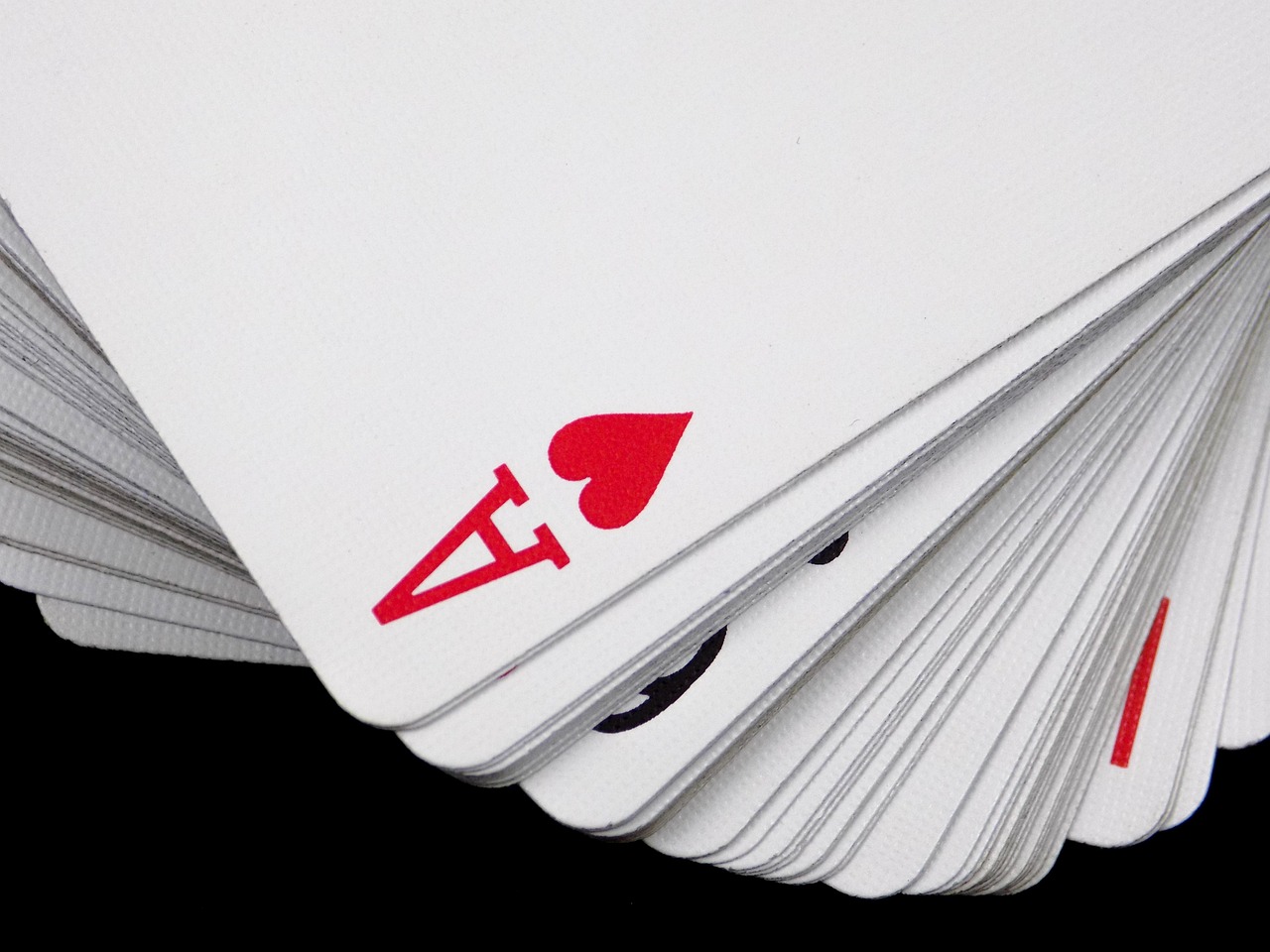
Every gambler has heard the phrase "the house always wins." It's true in a mathematical sense, and yet billions of euros, dollars, and pounds still flow through casinos, sportsbooks, and poker rooms every year. That contradiction is the heart of the iGaming world. People aren't showing up because they're bad at math. They're showing up because they understand something subtler: the house edge is a long-run average, not a prediction for tonight. Between the math and the moment sits an entire industry built on entertainment, psychology, and the occasional eight-figure slot jackpot.
Whether you're spinning reels for fun, grinding micro-stakes poker, or building a football accumulator on a Sunday afternoon, the experience is shaped by the same handful of forces. Understanding them won't make you a guaranteed winner. It will, however, make you a smarter player, and that's worth more than any hot streak.
The Real Numbers Behind Slot RTP
Slot machines are the engine room of most online casinos, often accounting for 70% or more of total gaming revenue. Their reputation for being unwinnable is slightly unfair. What matters is a number called Return to Player, or RTP. A slot with 96% RTP pays back €96 for every €100 wagered, on average, over millions of spins. That 4% is the house edge, and it's smaller than most people assume.
The catch is variance. A high-volatility slot like Money Train 2 might sit at 96.4% RTP but can swallow 300 spins before returning anything meaningful. A low-volatility game like Starburst pays small and often, which feels gentler but offers less upside. Popular titles cluster around clear benchmarks:
- Blood Suckers – roughly 98% RTP, a rare high-payout slot
- Mega Joker – up to 99% in its optimal mode
- Book of Dead – 96.2%, moderate volatility
- Dead or Alive 2 – 96.8%, extreme volatility
The practical takeaway is simple: check the RTP before you play, not after. It's listed in the game's help menu, usually buried near the bottom. A 2% difference between two slots sounds trivial until you've wagered five figures through them over a year. See สล็อต for a side-by-side comparison.
Why Poker Is a Skill Game Wearing a Casino's Suit
Poker is the odd one out in the casino lineup. The house doesn't play against you. It takes a rake, usually 5% of each pot up to a cap, and then steps out of the way. That single detail changes everything. In slots and roulette, your only decision is when to stop. In poker, every fold, call, and raise compounds into a long-term win rate measured in big blinds per hundred hands.
Tournament poker adds another dimension. A skilled player registering for a €22 buy-in event can have a genuine positive expectation, something no slot machine can offer. But the edge is thin and the variance is brutal. Even strong regulars can lose for months. The players who survive are the ones who treat bankroll management as seriously as hand selection:
- Never buy into a tournament for more than 2% of your total poker bankroll.
- Move down in stakes after a 20 buy-in downswing, not after five lost sessions.
- Track every session with software like Holdem Manager or PokerTracker.
- Review at least one losing hand per session to find leaks.
Cash games and tournaments reward entirely different skills. A great tournament player can be a losing cash game regular, because push-fold math and deep-stack postflop play barely overlap. Pick one discipline and get genuinely good at it before dabbling in the other.
Betting Markets and the Illusion of Certainty
Sports betting has exploded in the last decade, partly because it feels like knowledge, not chance. If you follow football closely, backing your read on a match feels smarter than pulling a slot lever. But bookmakers employ entire teams of traders and statistical modellers, and their prices are accurate to within a fraction of a percent. Beating them requires either information they don't have, or a market they've mispriced.
Most recreational bettors lose for three predictable reasons:
- Accumulators. Combining five legs at 2.00 odds gives you 32.00, but the true probability is often a fraction of what the price implies.
- Chasing. Doubling stakes after a loss turns a bad day into a catastrophic one.
- Ignoring the margin. A bookmaker's overround on a two-way market is typically 4–7%, which quietly eats your returns.
If you want a fighting chance, specialise. Niche markets like Asian handicaps, player props in the NBA, or lower-league tennis are less efficient than the Premier League main line. That's where the value hides.
Bankroll, Bonuses, and the Fine Print
Welcome bonuses look generous until you read the terms. A 100% match up to €200 with 40x wagering sounds like free money, but it's really a commitment to wager €8,000 before withdrawing a cent. Slot contributions vary too. Many casinos count slot play at 100% toward wagering requirements but count table games at 10% and live dealer at 0%. That means clearing a bonus on blackjack is functionally impossible unless the terms say otherwise.
Read three things before claiming any offer: the wagering requirement, the game contribution table, and the maximum bet allowed while clearing. A single oversized bet can void your entire bonus. Responsible bankroll habits matter more than picking the right bonus, though. A simple rule that works: split your monthly gaming budget into four weekly chunks, and never reload from next week's chunk. If you bust on Tuesday, you wait until Monday.
Where the Industry Is Heading
iGaming is moving fast. Crash-style games, live dealer studios streaming from Latvia and Malta, and gamified sportsbook products are pulling in a younger audience that finds traditional slots too static. Regulators are catching up too, tightening advertising rules and mandating tools like deposit limits, reality checks, and self-exclusion schemes in most licensed markets.
The result is a sharper split. Casual players get more entertainment for their money, with better graphics and smoother apps. Serious players get more data, deeper markets, and better tools. The uncomfortable truth is that both groups are playing the same game, just with different expectations. The house still wins in aggregate. Your job is not to beat the average. It's to make sure your own personal sample is one you're comfortable with.
Treat gambling as paid entertainment, set a hard limit before you start, and never confuse a good night with a strategy. Do that, and the maths doesn't have to be your enemy. It just becomes the price of admission.


Zhon Andarson
Coding is used in almost all aspects of life and work now, be it directly or indirectly. It’s not just for companies in the tech sector. “An increasing number of businesses rely on computer code,
Andro Smith Doe
Coding is used in almost all aspects of life and work now, be it directly or indirectly. It’s not just for companies in the tech sector. “An increasing number of businesses rely on computer code,